Minimally Invasive Spine Surgery (MISS)


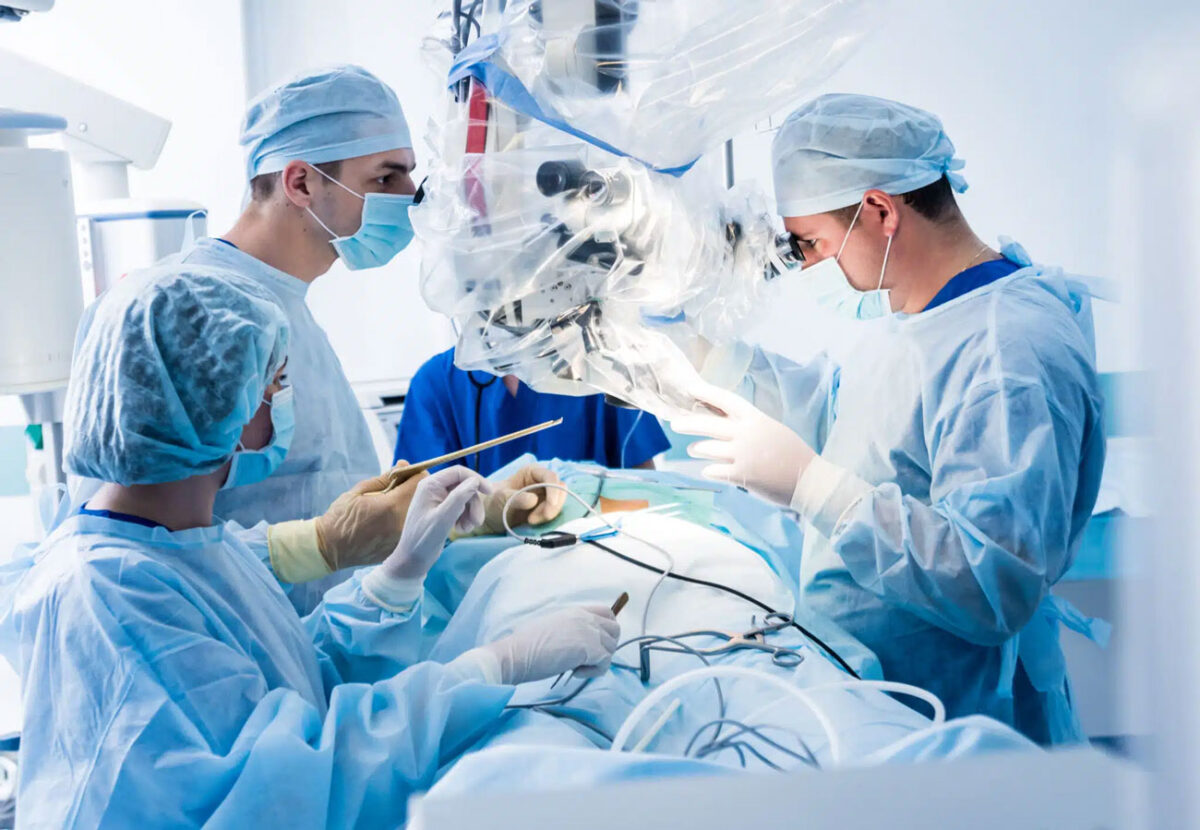
When facing spinal conditions that require surgical intervention, the advent of minimally invasive spine surgery has brought new hope to patients seeking effective treatments with reduced invasiveness.

When facing spinal conditions that require surgical intervention, the advent of minimally invasive spine surgery has brought new hope to patients seeking effective treatments with reduced invasiveness.
A microdiscectomy is a surgical procedure performed to relieve the symptoms of a herniated spinal disc, also known as a herniated or slipped disc. The main goal of a microdiscectomy is to remove the herniated portion of the disc that is compressing the nerves.
A laminectomy is a type of spine surgery that involves surgical removal of a segment of bone called the lamina. The lamina is the arch that forms the roof of the spinal canal. Removing this roof creates space and can relieve pressure on the spinal cord or nerve roots. This procedure is often done to treat conditions such as spinal stenosis, or provide access to herniated discs and tumors of the spinal cord.
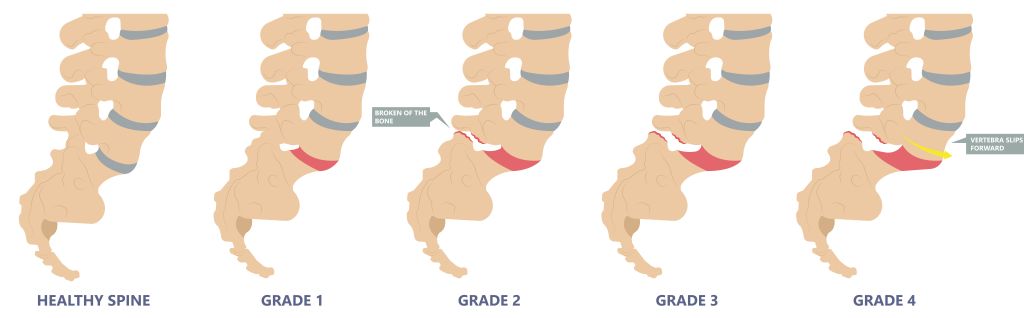
Anterolisthesis is a spinal condition characterized by the forward displacement of one vertebra over another. It is a type of spondylolisthesis, which is the general term for vertebral displacement.
A foraminotomy, also known as foraminal decompression, is a surgical procedure performed to relieve pressure on a nerve root that exits the spinal cord through an opening called the intervertebral foramen.
XLIF, or Extreme Lateral Interbody Fusion, is a minimally invasive surgical procedure used to treat spinal conditions in the lower back.
A discectomy is a surgical procedure in which a portion of a damaged or herniated intervertebral disc is removed to relieve pressure on the spinal cord or nerve roots. It is typically performed to alleviate pain, numbness, or weakness caused by a compressed nerve. Recovery time and post-operative care will depend on the type of surgery and individual case.
Prolonged sitting, poor posture, and repetitive tasks can contribute to musculoskeletal discomfort and reduced productivity. Here are 5 tips to optimize your work space and routine to prevent neck and back pain.
ALIF stands for “Anterior Lumbar Interbody Fusion.” It is a surgical procedure used to treat lower back pain caused by degenerative disc disease, herniated discs, or other spinal conditions.
Anterior cervical discectomy and fusion (ACDF) surgery is a surgical procedure to relieve pressure on the spinal cord and/or nerve roots in the neck by removing a damaged or herniated disc from between two vertebrae in the neck.