Staying active is one of the best ways to maintain overall health, but repetitive movement, high-impact sports, and the natural aging process can place significant stress on the spine. Whether it’s cycling along the California coast, hiking local trails, playing pickleball, or skiing during weekend getaways, an active lifestyle can sometimes lead to neck and back injuries that interfere with daily life.
Fortunately, not every spine problem requires surgery. Early diagnosis, appropriate treatment, and personalized care can help many patients recover and return to the activities they enjoy. When surgery is necessary, advances in minimally invasive techniques often make it possible to get patients moving again sooner.
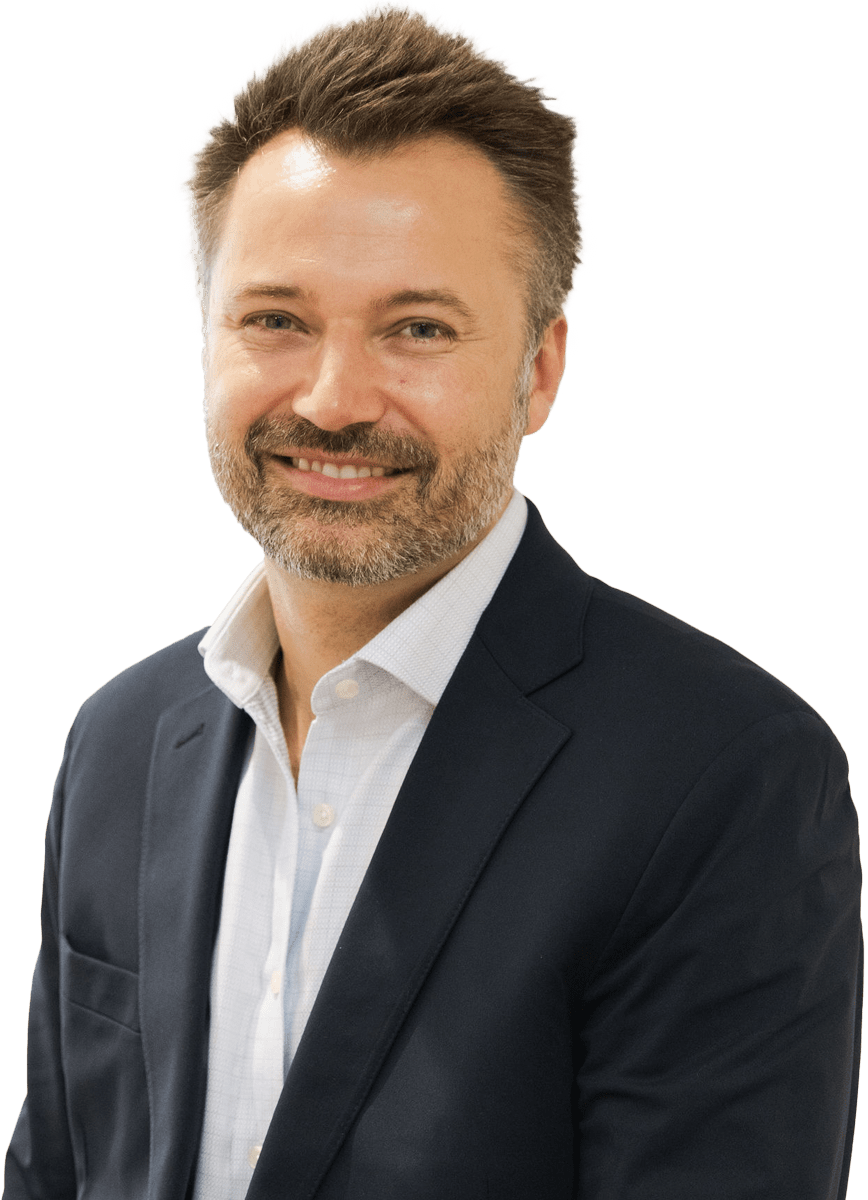
As a board-certified neurosurgeon in Los Angeles, Dr. Luke Macyszyn helps active adults find effective solutions for a wide range of spine conditions while focusing on preserving function and supporting long-term mobility.
Years of physical activity naturally place wear and tear on the spine. While exercise is beneficial, repetitive motions and occasional injuries can contribute to conditions such as:
These conditions can develop gradually or appear after a sudden injury. Many active adults initially dismiss symptoms as muscle soreness, allowing the condition to worsen over time.
Not every ache or pain requires medical attention, but certain symptoms should not be ignored.
Signs that it’s time to consult a spine specialist include:
Prompt evaluation can often identify the underlying cause before symptoms become more severe.
Preventing spine injuries starts with good habits. Active adults can reduce their risk by incorporating proper stretching, strength training, and recovery into their routines.
Core strengthening is especially important because the muscles surrounding the spine provide stability during everyday movement and athletic activities. Proper lifting mechanics, maintaining flexibility, and avoiding sudden increases in training intensity also help reduce unnecessary stress on the spine.
For many patients, making small adjustments to exercise routines can significantly decrease the risk of injury.
Many spine conditions improve without surgery. Depending on the diagnosis, treatment may include:
These treatments often relieve pain while allowing patients to remain active during recovery.
However, if symptoms persist despite conservative care or neurological problems develop, surgical treatment may become the best option.
When surgery is necessary, minimally invasive spine surgery may allow for smaller incisions, less muscle disruption, and a quicker recovery compared to traditional open procedures.
Dr. Macyszyn specializes in minimally invasive techniques whenever appropriate, helping patients return to work, recreation, and everyday activities as safely and efficiently as possible.
Every treatment plan is individualized based on the patient’s condition, overall health, and activity goals.
One of the primary goals of spine treatment is restoring quality of life. Whether someone enjoys golf, pickleball, cycling, hiking, swimming, or simply walking without pain, recovery plans are designed to help patients regain strength and confidence.
Returning to activity too quickly can increase the risk of reinjury, so rehabilitation is carefully tailored to each patient’s progress. Dr. Macyszyn works closely with patients to determine when it is safe to gradually resume exercise and recreational activities.
Active adults deserve treatment that supports both pain relief and long-term mobility. Dr. Macyszyn combines advanced surgical training, UCLA experience, NIH-funded research, and expertise in minimally invasive spine surgery to provide personalized care for patients throughout Los Angeles, Marina Del Rey, Tarzana, and surrounding communities.
Whether symptoms are caused by a sports injury, degenerative condition, or another spine disorder, an accurate diagnosis is the first step toward recovery.
Persistent neck or back pain should not prevent an active lifestyle. Dr. Macyszyn provides comprehensive evaluations to help patients understand their diagnosis and explore both nonsurgical and surgical treatment options.
To learn more, please schedule a consultation with Dr. Macyszyn today and take the first step toward getting back to the activities that matter most.