Spinal tumors are uncommon, but when they do occur, they can have a profound impact on a person’s mobility, neurological function, and overall quality of life. Because the spinal cord and surrounding nerves control movement, sensation, and vital bodily functions, even small tumors can cause significant symptoms if left untreated. Early diagnosis and timely intervention are essential.
For adults living in Los Angeles, access to a highly specialized neurosurgeon with experience in spinal tumor removal is critical. Treatment requires not only advanced surgical skill, but also a deep understanding of spinal anatomy, tumor behavior, and modern minimally invasive techniques that prioritize nerve preservation and faster recovery.
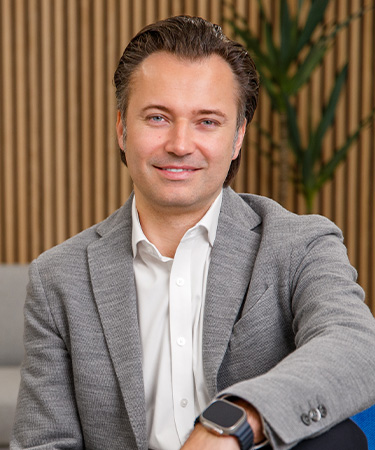
Dr. Luke Macyszyn is a board-certified neurosurgeon in Los Angeles who specializes in minimally invasive spinal tumor surgery. His approach focuses on safely removing tumors while minimizing disruption to healthy tissue, helping patients achieve excellent outcomes with shorter hospital stays and a quicker return to daily life.
A spinal tumor is an abnormal growth of tissue that develops within or near the spinal cord or spinal column. These tumors may be benign (noncancerous) or malignant (cancerous), and their impact depends on their size, location, and rate of growth.
Unlike tumors in other areas of the body, spinal tumors often cause symptoms not because they spread, but because they compress delicate neural structures. Pressure on the spinal cord or spinal nerves can interfere with communication between the brain and the body, leading to pain, weakness, numbness, or changes in coordination and bodily function.
Spinal tumors may arise from:
Because symptoms may develop gradually, many patients do not realize they have a spinal tumor until neurological changes become more noticeable. This makes expert evaluation by a neurosurgeon especially important.
Spinal tumors are commonly categorized based on their location relative to the spinal cord and spinal canal. Understanding the type and location of a tumor helps guide treatment decisions and surgical planning.
Intradural tumors are located inside the spinal canal, either within the spinal cord itself or within the protective membranes surrounding it.
Common characteristics include:
Common types of intradural tumors include:
Because these tumors are often well-defined and separate from surrounding tissue, they are frequently ideal candidates for minimally invasive spinal tumor removal. With the right surgical expertise, complete tumor removal can often be achieved with excellent neurological outcomes.
Extradural tumors are located outside the spinal canal, often involving the bones of the spine or surrounding structures.
These tumors may:
Treatment for extradural tumors may involve surgery, radiation therapy, or a combination of approaches, depending on the underlying cause and extent of disease.
Symptoms of a spinal tumor can vary widely depending on the tumor’s location, size, and growth rate. In many cases, symptoms worsen gradually over time.
Common spinal tumor symptoms include:
Because these symptoms can overlap with more common spine conditions, they are sometimes overlooked in the early stages. However, progressive neurological symptoms should always prompt further evaluation.
Accurate diagnosis is the foundation of effective spinal tumor treatment. A comprehensive evaluation allows the neurosurgeon to determine the tumor’s type, location, and impact on surrounding structures.
Diagnosis typically involves:
MRI is the primary imaging tool used for spinal tumor diagnosis. Contrast enhancement helps distinguish tumors from surrounding tissue and provides critical detail for surgical planning.
A detailed neurological exam evaluates strength, sensation, reflexes, and coordination to identify areas of nerve or spinal cord involvement.
Spinal tumor imaging requires specialized expertise. Interpretation by a Los Angeles neurosurgeon experienced in spinal tumors ensures accurate diagnosis and appropriate treatment recommendations.
In some cases, additional imaging or biopsy may be recommended to further clarify the diagnosis.
Surgical removal is often the most effective treatment for spinal tumors, particularly when symptoms are caused by nerve or spinal cord compression. Advances in surgical technology now allow many tumors to be removed using minimally invasive techniques.
Minimally invasive spinal tumor removal allows surgeons like Dr. Macyszyn to:
Using specialized instruments and advanced imaging guidance, tumors can often be accessed through smaller incisions while maintaining excellent visualization of critical neural structures.
Compared to traditional open surgery, minimally invasive spinal tumor surgery offers several important advantages for patients, including:
For many patients, these techniques make surgery safer and less disruptive, while still achieving complete or near-complete tumor removal.
Not all spinal tumors are candidates for minimally invasive surgery, but evaluation by an experienced neurosurgeon ensures the most appropriate approach is selected for each individual case.
Spinal tumor treatment requires more than technical skill—it demands thoughtful planning, precision, and a patient-centered approach. Dr. Macyszyn combines advanced surgical expertise with individualized care, guiding patients through diagnosis, treatment, and recovery with clarity and compassion.
As a board-certified neurosurgeon in Los Angeles specializing in spinal tumor removal, Dr. Macyszyn works closely with each patient to develop a treatment plan tailored to their specific condition and goals. Schedule a consultation today to explore your treatment options and get expert guidance you can trust.
Schedule a consultation today to explore your treatment options and get expert guidance you can trust.