Neck pain caused by cervical disc disease can significantly interfere with daily life, limiting mobility, disrupting sleep, and making even simple activities uncomfortable. For many patients, conservative treatments such as physical therapy, medications, or injections may no longer provide relief. At that point, surgery may become an important consideration.
Patients searching for a spine surgeon in Los Angeles are often told they need either cervical disc replacement or spinal fusion—two effective procedures with very different goals and long-term implications. Understanding the differences between these options is essential to making an informed decision about your care.
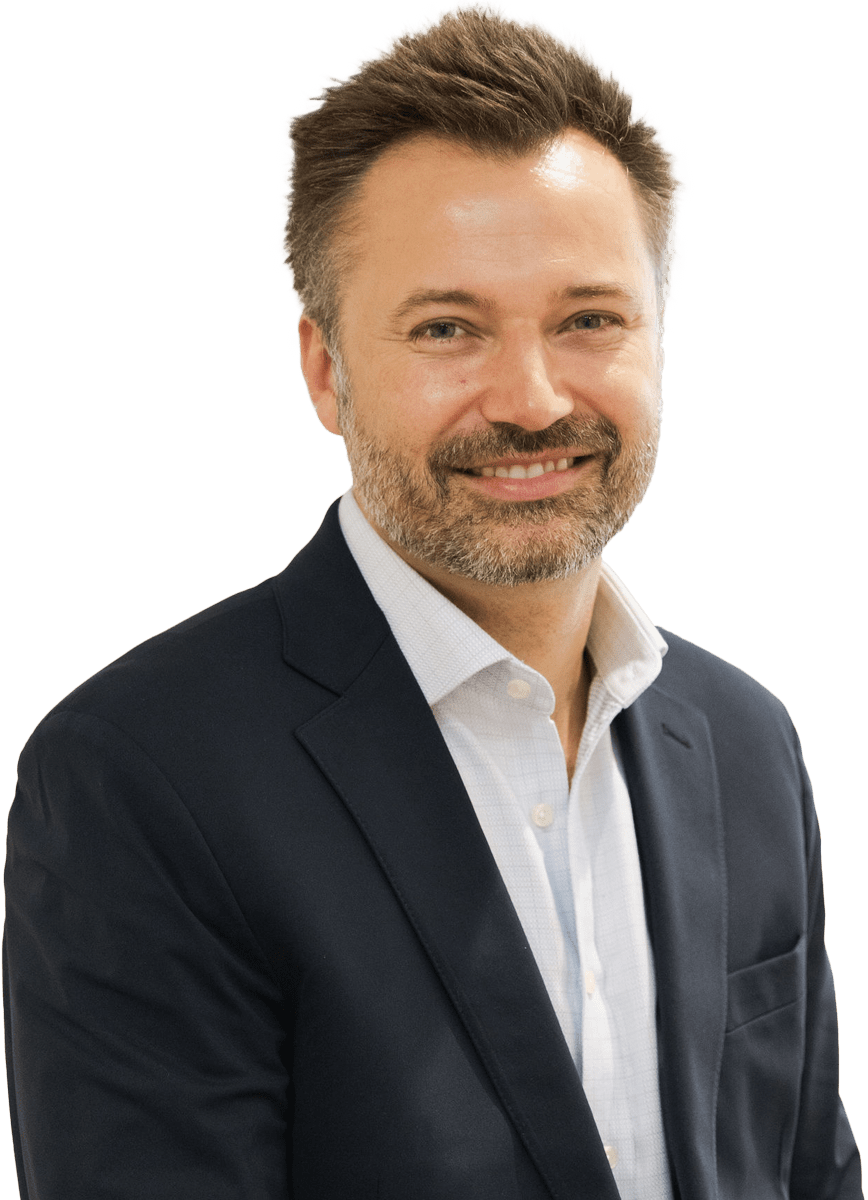
Dr. Luke Macyszyn is a fellowship-trained spine surgeon in Los Angeles who offers both cervical disc replacement and cervical fusion. His approach emphasizes minimally invasive spine surgery and individualized treatment planning, with a strong focus on preserving motion whenever possible while prioritizing long-term spinal health and safety.
Cervical disc disease occurs when one or more discs in the neck deteriorate or become damaged due to aging, injury, or repetitive stress. The cervical spine supports the head and allows for a wide range of motion, making it especially vulnerable to wear over time.
As discs degenerate, they may:
This compression can result in neck pain, stiffness, arm pain, numbness, tingling, or weakness. When symptoms persist despite conservative treatment, surgical intervention may be recommended to relieve pressure on nerves and restore function.
Cervical disc replacement is a motion-preserving surgical procedure designed to remove a damaged cervical disc and replace it with an artificial disc implant. The goal is to maintain natural movement in the neck while relieving nerve compression and reducing pain.
During the procedure, the damaged disc is carefully removed, and the artificial disc is positioned between the vertebrae to mimic the disc’s natural height and motion. This allows the spine to continue moving in a way that closely resembles normal biomechanics.
Cervical disc replacement is often recommended for patients who:
For appropriately selected patients, cervical disc replacement offers several important advantages over traditional fusion surgery.
The artificial disc allows the neck to continue moving naturally, reducing stiffness and maintaining flexibility.
Many patients experience a quicker return to normal activities compared to fusion surgery.
By preserving motion, disc replacement may lower the risk of degeneration in neighboring spinal segments over time.
Because of these benefits, disc replacement is often an appealing option for active individuals seeking long-term mobility and function.
Cervical fusion is a well-established surgical procedure that permanently joins two or more vertebrae together after removing a damaged disc. Bone graft material and surgical hardware are used to stabilize the spine while the vertebrae fuse into a single solid unit over time.
The primary goal of fusion is stability. By eliminating motion at the affected level, the procedure can effectively relieve pain caused by instability, severe degeneration, or deformity.
Cervical fusion has been performed successfully for decades and remains an excellent option for many patients, particularly when disc replacement is not appropriate.
While motion preservation is ideal in many cases, cervical fusion may be the safest and most effective option under certain conditions.
Fusion may be recommended for patients with:
In these cases, preserving motion may increase the risk of ongoing pain or complications. An experienced spine surgeon evaluates these factors carefully to determine the most appropriate treatment.
Dr. Macyszyn is a board-certified, fellowship-trained neurosurgeon with over 17 years of experience treating complex spinal disorders. Previously an associate professor of neurosurgery at UCLA, Dr. Macyszyn led the Complex Spinal Disorders and Deformity Research Program and directed NIH-funded research in using artificial intelligence to improve spinal diagnosis and treatment.
Dr. Macyszyn’s practice specializes in:
What distinguishes Dr. Macyszyn’s practice is the combination of UCLA-level expertise with accessible, community-based care at convenient Los Angeles locations. Many procedures are performed on an outpatient basis, allowing patients to recover in the comfort of their own homes.
Although both procedures aim to relieve pain and improve function, there are important differences between cervical disc replacement and fusion that can affect recovery and long-term outcomes.
| Feature | Disc Replacement | Fusion |
|---|---|---|
| Motion | Preserved | Eliminated |
| Recovery | Faster | Longer |
| Adjacent Stress | Lower | Higher |
Disc replacement focuses on maintaining natural movement, while fusion prioritizes stability by eliminating motion at the treated level. The best choice depends on anatomy, diagnosis, and long-term spinal health goals.
Both cervical disc replacement and fusion can often be performed using minimally invasive spine surgery techniques. These approaches use smaller incisions, advanced imaging, and specialized instruments to reduce disruption to surrounding muscles and tissues.
Minimally invasive spine surgery offers several advantages, including:
Dr. Macyszyn utilizes minimally invasive techniques whenever appropriate to enhance safety, comfort, and recovery for his patients.
Selecting the right spine surgeon is just as important as choosing the right procedure. Cervical disc replacement and fusion require precision, experience, and a thorough understanding of spinal biomechanics.
An experienced spine surgeon in Los Angeles evaluates:
Rather than applying a one-size-fits-all approach, Dr. Macyszyn works closely with each patient to determine whether motion preservation or stabilization will deliver the best long-term outcome.
Deciding between cervical disc replacement and fusion can feel overwhelming, especially when dealing with chronic neck pain or neurological symptoms. Dr. Macyszyn provides expert guidance rooted in evidence-based care, advanced surgical training, and a commitment to personalized treatment.
As a fellowship-trained spine surgeon in Los Angeles specializing in minimally invasive spine surgery, Dr. Macyszyn offers both procedures and helps patients understand their options clearly and confidently.
Schedule a consultation today to explore your treatment options and take the next step toward lasting neck pain relief.